Insulin Resistance: The Hidden Reason Behind Weight Gain & Fat Loss Struggles
Struggling with weight loss despite eating less? Learn how high insulin levels, constant snacking, and insulin resistance affect fat loss, cravings, energy, and diabetes risk.
You’ve probably heard this many times:
“You’re losing your willpower.”
“You’re overweight.”
“You need to eat less.”
“You’re overindulging.”
But here’s the truth - you don’t have a willpower problem.
You have a metabolism problem.
And high insulin levels are a big reason behind it.
Let’s understand insulin
Insulin is a storage hormone. In fact, I like to call it the “king hormone.”
Now you might wonder - why call it a king if it stores fat?
Fair question. Let’s break it down.
Insulin is secreted by the pancreas whenever you eat. But what matters most is how quickly insulin spikes in your blood. That rapid spike mainly happens with carbohydrates. When you eat carbs, your blood sugar rises. Insulin is released to move that sugar into your cells so it can be used for energy. That’s normal.
But here’s where things start going wrong.
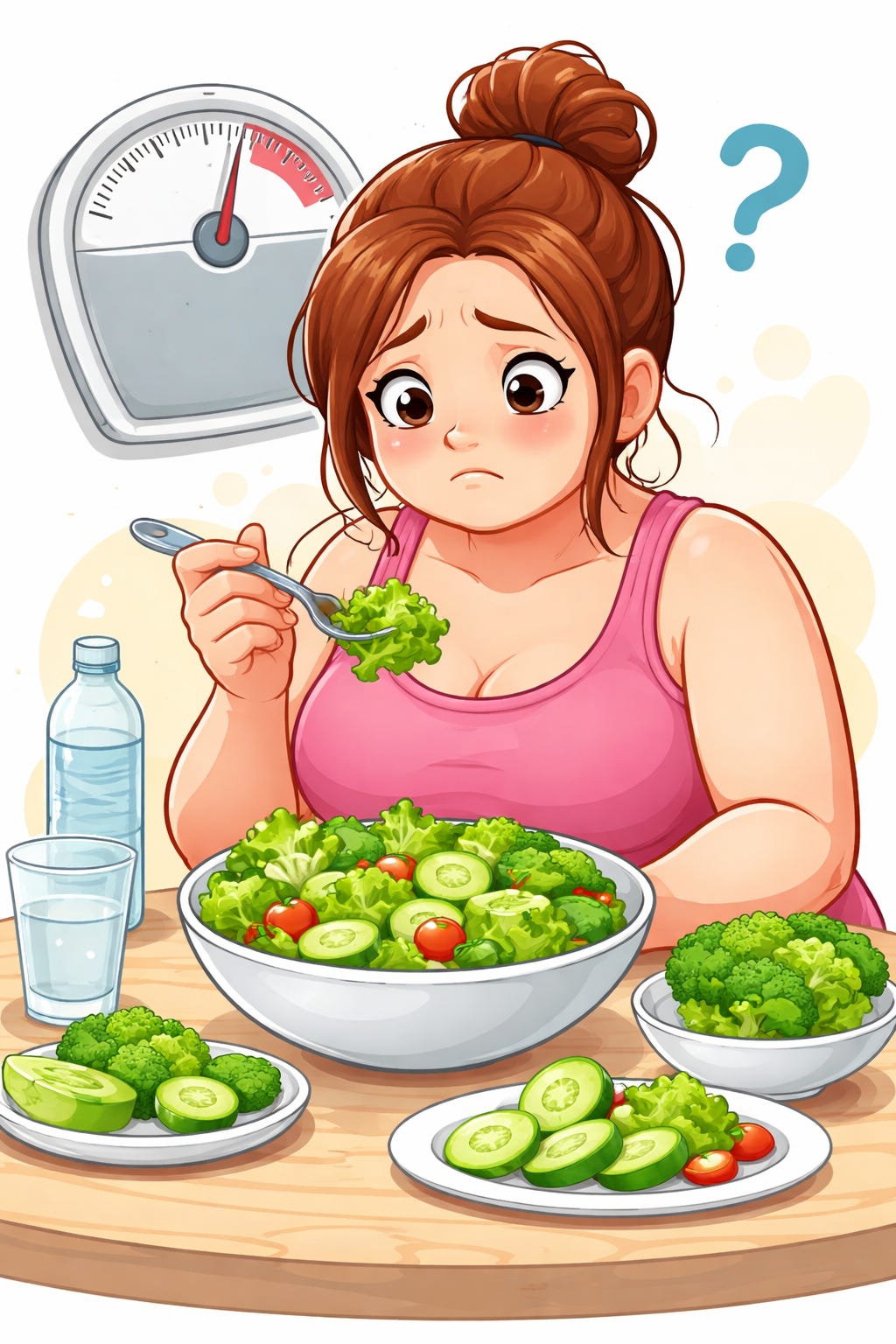
The real issue: Constant eating
If you’re eating every 2–3 hours, snacks, tea biscuits, something sweet etc. insulin keeps getting released again and again. Initially, your cells accept this sugar.
But over time, they start pushing back.
They basically say: “Enough. Stop.” This is called insulin resistance.
Now sugar is still in your blood, insulin is still high, but cells aren’t responding properly.
And this is where the real problem begins.
Why insulin is still “king”
Insulin isn’t the enemy. It’s actually a survival hormone. When your body is under stress, insulin helps store energy (fat) so you don’t crash. It protects you from sudden drops in blood sugar and keeps you going.
That’s why it’s important.
But like any powerful system - it needs regulation.
What’s happening today
Ideally, insulin should rise when you eat and come down when you’re not eating.
But today? People are constantly snacking. So insulin never really goes down. Over time:
- Cells stop responding
- Insulin stays high
- Fat loss becomes difficult
- And eventually, this progresses toward Type 2 Diabetes
Early signs (before diabetes shows up)
Most people wait for lab reports.
But your body gives signals much earlier:
- Constant cravings
- Skin tags
- Darkening around the neck (acanthosis)
- Energy crashes
- Brain fog
- Rising triglycerides
- Difficulty losing fat
These are early signs of insulin resistance.
The biggest myth in fat loss
“Eat less, move more.” Yes, calorie deficit works, but it’s not the first step.
If your hormones aren’t in place, especially insulin, fat loss becomes a struggle. You cannot balance hormones without stabilizing blood sugar first.
And no - not all calories are the same.
What you should focus on
1. Prioritize protein
Include a good protein source in every meal:
eggs, paneer, hung curd, chicken, tofu, etc.
2. Cut down on grains
Reduce wheat intake. Choose better options like:
jowar, bajra, quinoa, barnyard millet, foxtail millet.
Avoid mixing multiple grains - “multigrain” is mostly a marketing myth.
Stick to one grain per meal.
3. Choose better fats
Replace refined/seed oils with stable fats.
Use:
- Ghee
- Butter
- Coconut oil
Avoid:
- Soybean oil
- Refined vegetable oils
4. Reduce sugar and frequent snacking
Cut down on added sugar.
Limit high-starch foods like potatoes.
Most importantly - stop constant snacking.
Tests to check
If you want clarity, don’t just rely on Fasting blood sugar.
Check:
- Fasting insulin (optimal: 2–5)
- HbA1c
- Triglyceride/HDL ratio
- hs-CRP
- Homocysteine
- Serum cortisol
Final thought
A lot of people focus only on weight.
They push harder. Exercise more. Eat less. Punish themselves.
But it doesn’t work long-term.
Because the real issue isn’t effort - it’s insulin resistance.
Fix that first.
Everything else will start falling into place.
Want a personalised plan?
Book a one-to-one consultation with Dr. Mrudul Deshpande — get a root-cause protocol built for your biology, not a template diet.
Comments
No comments yet — be the first to share your thoughts.
Leave a Comment